Begin Your Art Investment Journey
Welcome to your comprehensive guide to art investment for beginners. Whether you're looking to make your first art purchase or planning to build a collection, this resource will help you navigate the exciting world of art collecting.
Our goal is to provide you with practical knowledge, introduce you to Los Angeles' vibrant gallery scene, and keep you informed about upcoming auctions where you can find pieces that speak to you.
Art investment combines passion with financial potential—let us help you make informed decisions as you plan your first three purchases by the end of 2025.
Art Investment Tips
Art can be both a passion and an investment. With the right approach, you can build a collection that brings joy and potentially appreciates in value over time. Here are essential tips to guide your journey.
Setting Your Goals
- Define your purpose: Are you collecting primarily for enjoyment, investment, or both?
- Establish a timeline: Art is typically a medium to long-term investment (5-10+ years)
- Understand your risk tolerance: Like any investment, art carries risks and market fluctuations
Budget Considerations
- Set clear financial boundaries: Determine how much you can comfortably invest
- Account for additional costs:
- Handling fees (typically 10-25% at auctions)
- Storage expenses
- Insurance costs
- Framing and conservation
- Start small: Begin with more affordable pieces as you learn the market
Recommended Art Mediums for Beginners
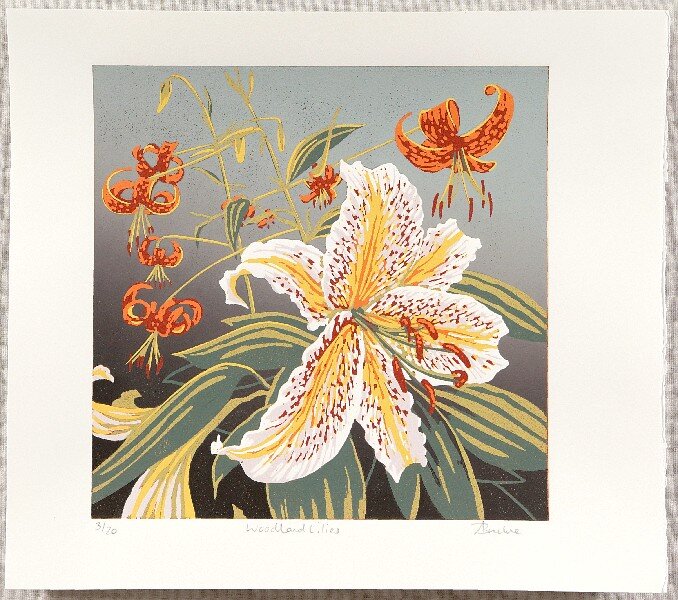
Photography and Prints
- Most accessible entry point for new collectors
- Lower initial investment compared to original paintings
- Limited editions can increase in value if by notable artists
Paintings
- Acrylic paintings: More affordable than oils, with growing market interest
- Watercolors: Generally less expensive than oil paintings
- Oil paintings: Traditional medium with strong market history, but higher price points
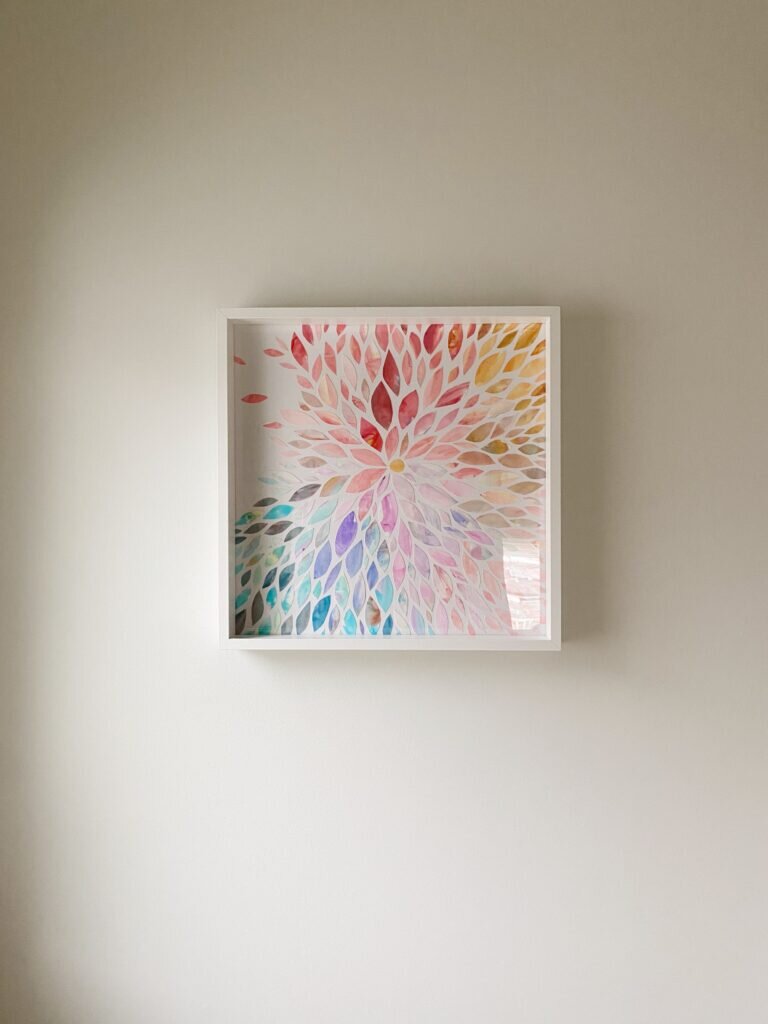
Drawings and Works on Paper
- Graphite (pencil drawings): Often more affordable entry points to established artists
- Ink drawings: Can be highly collectible
- Mixed media works: Offer interesting variety and potential value
Authentication and Provenance
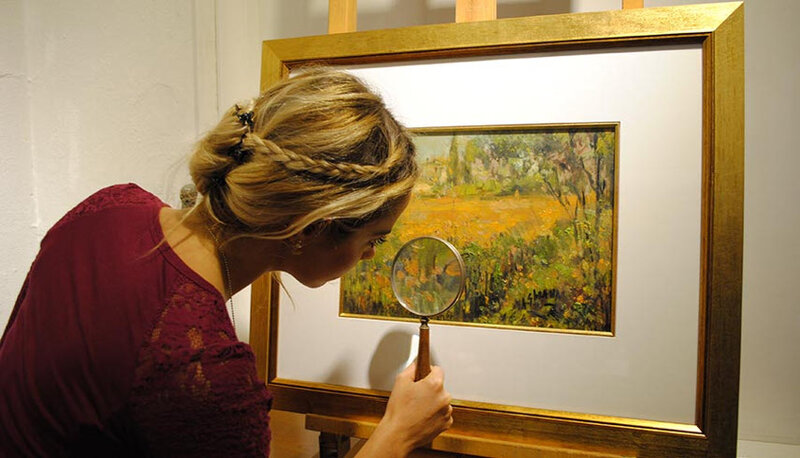
Provenance is the documented history of an artwork that helps establish its authenticity, ownership history, and value.
Key Elements to Verify
- Certificate of Authenticity: Official document verifying the artwork's creator
- Ownership History: Previous collectors or institutions that have owned the piece
- Exhibition History: Where the artwork has been displayed
- Literature References: Publications where the artwork has been featured
- Sales Documentation: Records of previous sales and transfers
Market Trends and Appreciation
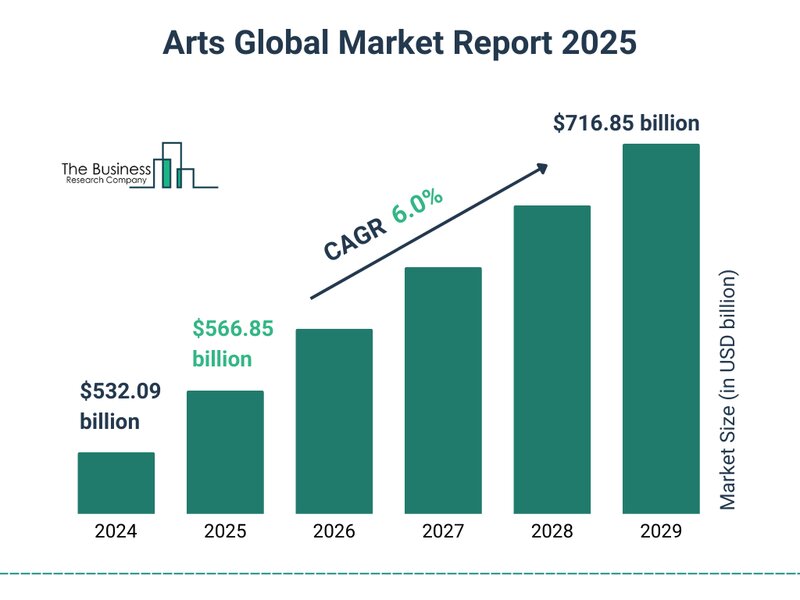
Understanding how the art market evolves can help you make more informed investment decisions.
- Research market reports from major auction houses and art market analysts
- Follow art news to stay informed about emerging trends and artists gaining recognition
- Consider long-term appreciation rather than short-term fluctuations
- Diversify your collection across different artists, periods, and mediums
Final Advice for Beginners
- Buy what you love – you'll be living with these pieces
- Start slowly and build knowledge before making major purchases
- Network with other collectors, gallerists, and artists
- Document everything related to your purchases
- Be patient – art investment rewards a long-term perspective
Los Angeles Art Galleries
Los Angeles hosts a vibrant art scene with galleries ranging from world-renowned institutions to intimate spaces showcasing emerging artists. Explore these venues to discover potential additions to your collection and to develop your artistic eye.
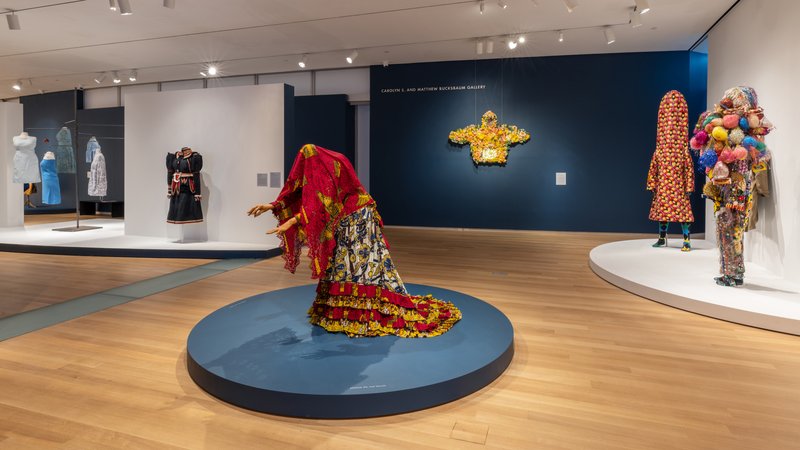
Featured LA Galleries
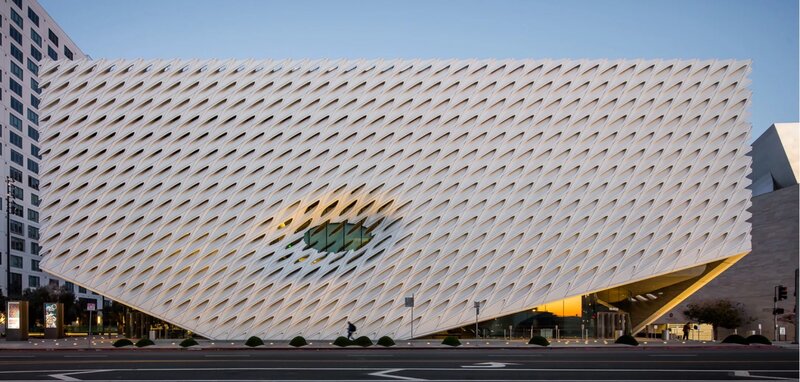
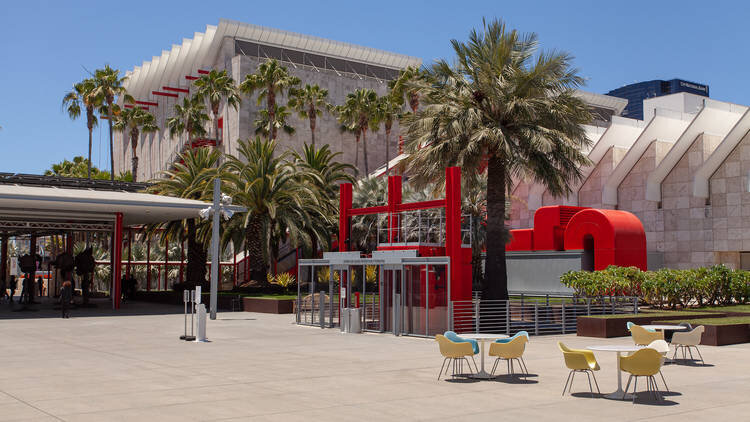
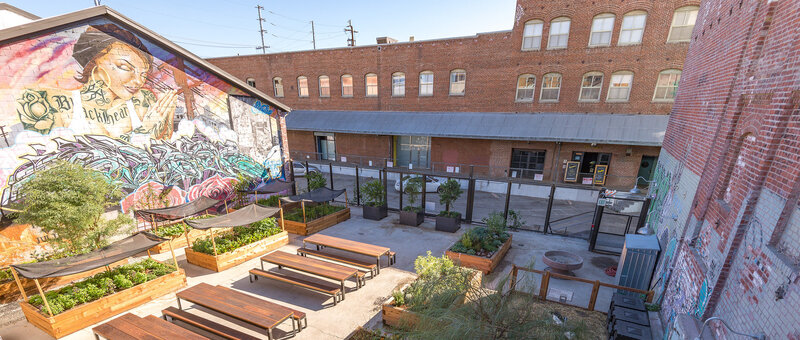
Upcoming Art Auctions
Art auctions offer exciting opportunities to acquire pieces for your collection, often at competitive prices. From beginner-friendly events to prestigious sales, auctions provide access to a wide range of artworks across various price points.
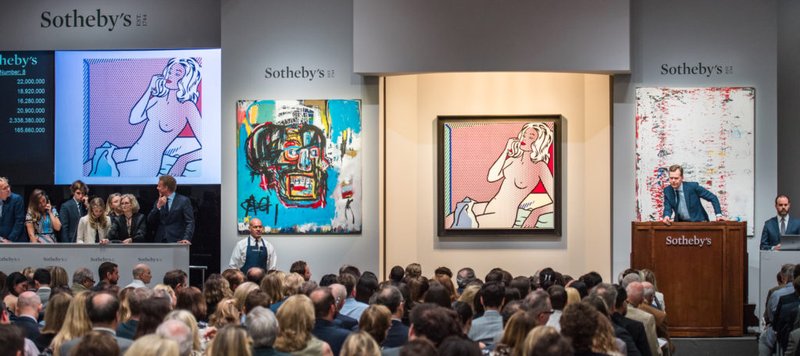
Example Auction Items for Beginners
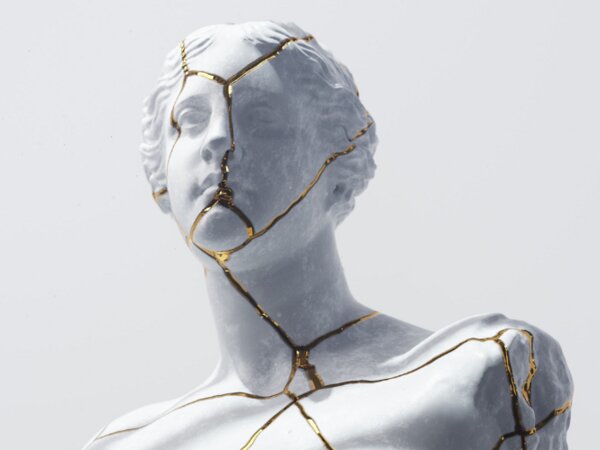
Building Your Collection
Creating a meaningful art collection is a journey that combines passion, knowledge, and strategy. As you prepare to make your first three purchases by the end of 2025, consider these approaches to building a collection that brings you joy and has potential for appreciation.
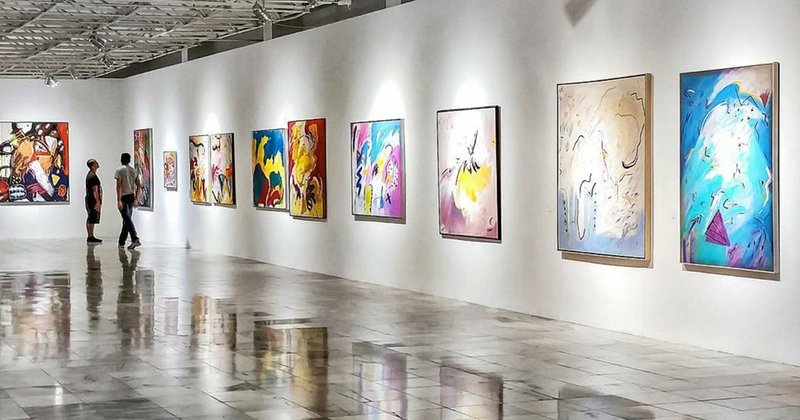
Research and Education
- Follow the market: Track auction results and gallery sales
- Read widely: Art publications, market reports, and artist biographies
- Visit museums and exhibitions: Develop your eye and understanding of different styles
Diversification Strategies
- Mix established and emerging artists
- Collect various mediums
- Consider different art movements and periods
- Explore international artists
Care and Maintenance
- Proper framing with archival materials
- Climate control to prevent damage
- Regular condition checks
- Professional cleaning when necessary
Where to Buy Art
- Galleries: Build relationships with gallery owners
- Auctions: Online platforms and specialized auctions for beginners
- Direct from Artists: Studio visits and art fairs
- Online Platforms: Artsy, Instagram, artist collectives
Art Collection Planning Tool
Use this interactive tool to help plan your first three art purchases by the end of 2025.
Contact Us
Have questions about art investment or need personalized advice? Our team of art advisors is here to help you navigate your collecting journey.
Art Investment Guide
Email: info@artinvestmentguide.com
Phone: (213) 555-1234
Hours: Monday-Friday, 9am-5pm PT
We aim to respond to all inquiries within 48 hours.